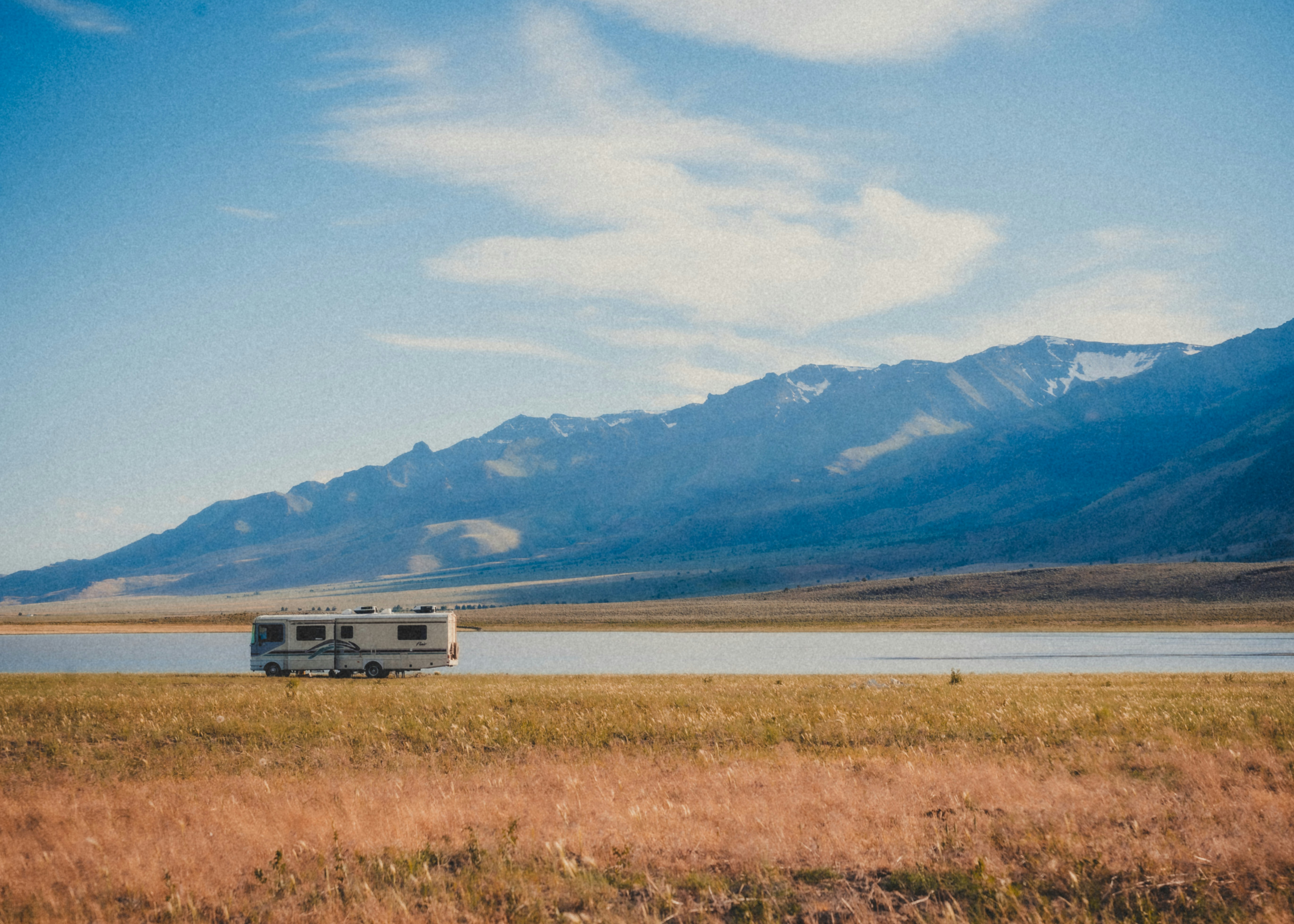
Learn about seasonal site sizes and RV length requirements. Discover how to measure your rig and find sites that fit your camping setup perfectly.
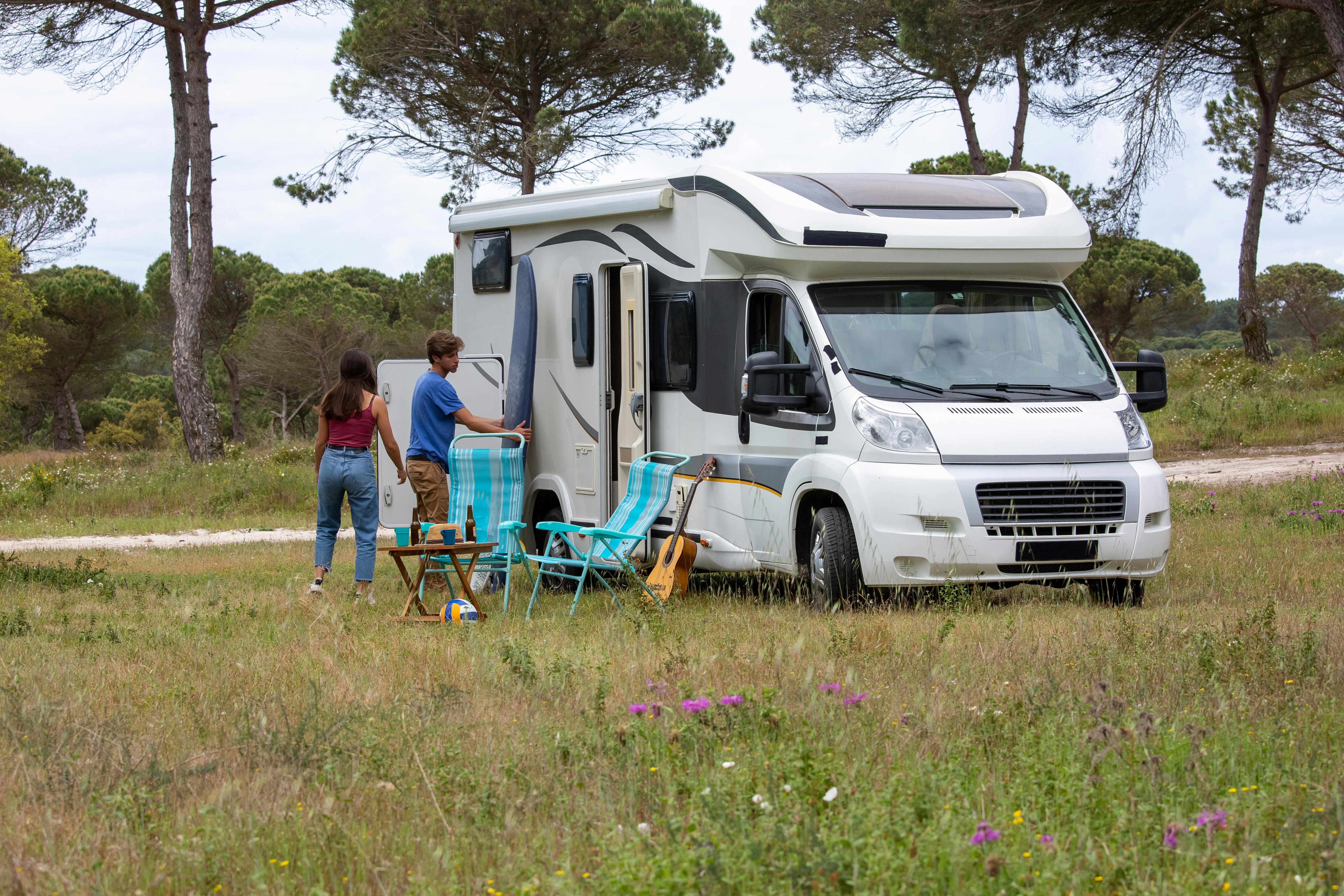
You have found the perfect campground. The amenities are great. The location is ideal. The price fits your budget. You are ready to book your seasonal site.
Then they ask you a simple question: "How long is your RV?"
You pause. You think. You guessed it. "Uh, about 30 feet?"
Here is the problem: if you are wrong about your RV length, you might show up to find your rig does not actually fit in the site you booked. Your RV hangs over into the road. Or your truck cannot fit. Or you cannot open your slide-outs without hitting trees.
Understanding seasonal site sizes and how they relate to your RV length is not the most exciting part of camping. But getting it wrong creates real problems that ruin your entire season.
Let me walk you through everything you need to know about measuring your RV, understanding site sizes, and making sure you book a site that actually fits your setup.
Why Site Size Matters So Much
For short-term camping, a slightly too-small site is annoying but manageable. You deal with it for a few days and then leave.
For seasonal camping where you stay all season long, a site that does not fit properly becomes a constant source of frustration. You live with the problem for months.
What Happens When Sites Are Too Small
Your RV might stick out into the roadway, creating safety issues and blocking traffic. Your tow vehicle might not fit, forcing you to park elsewhere and walk. Your slide-outs might not extend fully, reducing your living space. Your awning might hit trees or neighboring structures. You might not have room for outdoor furniture, fire pits, or other camping gear.
Every single weekend, you deal with these space limitations. It gets old fast.
What Happens When Sites Are Too Big
Oversized sites are rarely a problem, but they sometimes come with drawbacks too. Bigger sites usually cost more money. You might end up farther from neighbors, which can feel isolated. You might have more lawn to maintain.
Still, too big is always better than too small.
How to Actually Measure Your RV
Most people guess their RV length wrong. They remember what the dealer told them, or they ballpark it based on how long it looks. These guesses are often off by several feet.
The Official Measurement
Your RV has an official length listed in the manufacturer specifications. This is usually measured from the front bumper to the rear bumper, not including anything that extends beyond like bike racks or spare tires.
You can find this specification in your owner's manual, on the manufacturer website, or sometimes on a sticker inside a cabinet or closet.
But Wait, There Is More
The official RV length does not tell the whole story. Campgrounds need to know your total camping length, which includes more than just the RV itself.
What Really Matters: Total Camping Length
Your total camping length includes your RV plus anything that stays attached when you park. This might include:
Your RV from front to back. Your tow vehicle if you leave it connected. A hitch-mounted cargo carrier or bike rack. A spare tire carrier that extends past the rear bumper.
This total length determines what size site you actually need.
How to Measure Properly
Get a long tape measure, at least 50 feet. Set up your RV exactly how it will be at the campground, with your tow vehicle connected if you plan to leave it connected.
Measure from the very front of your setup to the very back. This is your real camping length.
Do not forget to account for anything that sticks out. That bike rack on the back adds two feet. That hitch cargo box adds three feet. These additions matter.
Add Some Buffer Space
Once you know your total camping length, add at least five feet for buffer space. This extra room gives you flexibility and prevents tight-squeeze situations.
So if your total camping length is 32 feet, look for sites that accommodate at least 37 feet.
Understanding How Campgrounds Describe Site Sizes
Different campgrounds describe seasonal site sizes in different ways. Understanding their terminology helps you evaluate options accurately.
RV Length Maximums
Most campgrounds list a maximum RV length for each site. "Accommodates RVs up to 35 feet" is a common description.
This maximum usually refers to RV length only, not total camping length. Always ask for clarification.
Site Dimensions
Some campgrounds provide actual site dimensions. "Site is 40 feet long by 20 feet wide" gives you specific measurements to work with.
Length is the measurement from front to back where your RV parks. Width is side to side.
Small, Medium, Large Categories
Other campgrounds use general categories like small, medium, and large sites. These categories are frustratingly vague because they mean different things at different campgrounds.
Always ask for actual length accommodations when you see category descriptions.
Pull-Through Versus Back-In
Pull-through sites tend to be longer because you need room to drive completely through. Back-in sites can be shorter because you only need to fit the RV, not the whole combined length of RV plus tow vehicle.
Common Seasonal Site Size Ranges
Seasonal site sizes vary widely, but they generally fall into predictable ranges.
Small Sites: 30 to 35 Feet
Small seasonal sites typically accommodate RVs up to 30 or 35 feet in length. These sites work for:
Smaller travel trailers under 28 feet. Pop-up campers. Small fifth wheels. Compact motorhomes.
Small sites usually cost less but offer limited space for outdoor living areas.
Medium Sites: 35 to 45 Feet
Medium sites handle RVs from 35 to 45 feet. These fit:
Standard travel trailers 28 to 35 feet. Medium fifth wheels. Average motorhomes. Most common RV sizes fall into this range.
Medium sites provide adequate room for your RV plus some outdoor living space.
Large Sites: 45 to 60 Feet
Large sites accommodate RVs from 45 to 60 feet. These work for:
Long travel trailers over 35 feet. Large fifth wheels. Big motorhomes with tow vehicles. Setups with significant gear or trailers.
Large sites offer plenty of room for RVs plus generous outdoor areas.
Extra-Large Sites: Over 60 Feet
A few campgrounds offer extra-large sites for particularly long setups. These handle the biggest RVs plus additional vehicles or equipment.
These sites are rare and usually command premium prices.
Width Matters Too
Everyone focuses on length, but width matters for seasonal camping as well.
Standard Site Width
Most seasonal sites range from 15 to 25 feet wide. This width accommodates your RV plus some outdoor space on either side.
Why Width Matters
Site width determines whether you can comfortably open your slide-outs, set up an awning, and have outdoor furniture without encroaching on neighboring sites.
Narrow sites feel cramped even if the length is adequate. Wide sites feel spacious and comfortable.
Measuring Your Width Needs
Measure your RV width from the widest point, usually with slide-outs extended. Add space for an awning if you have one. Add room for camping chairs and outdoor living space.
If your RV is 8 feet wide, slide-outs extend 3 feet on each side, and you want room for chairs and a table, you need at least 20 feet of site width to be comfortable.
Slide-Out Considerations
Slide-outs change your space requirements significantly. Many seasonal campers leave slide-outs extended all season, so you need sites that accommodate extended dimensions.
Measuring With Slide-Outs
Measure your RV width with all slide-outs fully extended. This is your working width for the entire season.
Some RVs extend slides on both sides. Some only on one side. Know your configuration.
Obstacles and Clearances
Check whether potential sites have trees, posts, or structures that might block slide-outs. Even if the site is technically wide enough, obstacles can prevent full extension.
Ask campgrounds about slide-out clearances at specific sites before booking.
Overhead Clearance
Length and width get all the attention, but height matters too, especially for tall motorhomes or RVs with rooftop equipment.
Measuring RV Height
Measure from the ground to the highest point on your RV. This might be your roof, an air conditioner, a satellite dish, or an antenna.
Write this measurement down and keep it handy. You need it when evaluating sites with overhanging trees or structures.
Typical Height Issues
Tree branches are the most common overhead clearance problem at seasonal sites. A beautiful wooded site might have low branches that scrape your roof or prevent access entirely.
Some campgrounds have power lines, covered pavilions, or other structures that create height restrictions.
Standard Clearances
Most RVs are 10 to 13 feet tall. Sites should offer at least 14 to 15 feet of overhead clearance to be safe.
Always ask about overhead clearances if your RV is particularly tall or if you see lots of trees in site photos.
Tow Vehicle and Additional Vehicle Space
Beyond your RV, think about where your vehicles will go during the season.
Tow Vehicle Placement
If you disconnect your tow vehicle from your RV, where does it park? Some seasonal sites include space for one vehicle next to the RV. Others require you to park in a separate lot.
Parking in a separate lot means walking to your vehicle every time you want to leave. This gets annoying fast.
Additional Vehicles
Do you have a second car? A boat trailer? An ATV trailer? These additional vehicles need space too.
Most seasonal sites only include parking for one vehicle. Additional vehicles might not fit on your site or might require extra fees for overflow parking areas.
Plan for all your vehicles when evaluating site sizes.
Outdoor Living Space
Your site is not just for parking your RV. It is also your outdoor living room for the season.
What You Need Space For
Think about what outdoor items you plan to have:
Camping chairs and a table. A fire pit or fire ring. A grill or outdoor cooking area. Kids' toys or sports equipment. A small shed for storage. Flower pots or landscaping. String lights or decorations.
All of this needs space beyond your RV footprint.
Calculating Total Space Needs
A good rule of thumb is that your site should be at least 10 to 15 feet longer than your RV and at least 5 feet wider on each side.
So if your RV is 32 feet long and 10 feet wide with slides extended, look for sites that are at least 42 to 47 feet long and 20 feet wide.
This extra space gives you room to actually live comfortably, not just park.
Questions to Ask Campgrounds
When evaluating seasonal site sizes, ask campgrounds these specific questions:
What Is the Actual Site Length?
Do not accept vague answers. Get the actual measurement in feet.
What Is the Site Width?
Again, get a specific number, not a category.
What Is the Maximum RV Length for This Site?
Clarify whether this means RV only or total camping length including tow vehicles.
Are There Overhead Clearance Issues?
Ask about tree branches, power lines, or structures that might limit height.
Can Slide-Outs Fully Extend?
Confirm there are no obstacles preventing slide-out operation.
Is There Room for One Vehicle? Two?
Understand vehicle parking options at the site.
Can I See Photos of the Specific Site?
Pictures reveal space issues that measurements might not capture.
What Is the Site Surface?
Gravel, grass, and pavement all work differently for leveling and drainage.
Site Visit Recommendations
If at all possible, visit the campground before booking a seasonal site. See potential sites in person with your actual RV.
What to Check During Your Visit
Drive your RV to potential sites to see if it actually fits. Try positioning your RV where it would park. Check for obstacles like trees, rocks, or posts. Measure distances if you brought a tape measure. Look at neighboring sites to see typical setups.
The Reality Test
Seeing a site in person reveals things that no description or photo can capture. That site that looked perfect online might have a massive tree right where your slide-out needs to go.
An in-person visit prevents expensive booking mistakes.
What If Your RV Barely Fits
Sometimes you find a campground you love, but the available sites are right at your size limit. Should you book it or keep searching?
Pros of Tight Fits
You get to camp at your preferred location. You might save money compared to larger sites. You can make it work with careful positioning.
Cons of Tight Fits
You have constant stress about space. Your outdoor living area is cramped. You might not fit if you upgrade your RV later. You have no flexibility for additional equipment.
Making the Decision
If a site is within six inches to a foot of your maximum length, it will probably work but feel tight. More than a foot short, and you will likely be frustrated all season.
Be honest with yourself about how much space you actually need to be comfortable.
Planning for RV Upgrades
If you might upgrade to a longer RV in the next few years, factor that into your site size decision now.
Moving to a different seasonal site later is possible but annoying. Booking a slightly larger site now gives you flexibility for future upgrades.
Different Sites for Different RVs
If you are still shopping for an RV and also looking at seasonal sites, consider how RV size affects your camping options.
Smaller RVs give you more site options and lower seasonal costs. Larger RVs limit site choices and increase costs but provide more interior living space.
There is no right answer. It depends on your priorities and camping style.
Understanding Site Maps
Most campgrounds provide maps showing seasonal site layouts. Learning to read these maps helps you evaluate options remotely.
What Maps Show
Site boundaries and dimensions. Hookup locations. Trees and landscaping. Roads and pathways. Distances to amenities.
What Maps Do Not Show
Actual site conditions. Slope and leveling needs. Muddy or rocky spots. Noise from roads or neighbors. Views and privacy levels.
Use maps as a starting point, not the final word on whether a site works for you.
Making Your Final Decision
When choosing between seasonal RV sites of different sizes:
Measure your RV accurately including all extensions. Add buffer space for comfort. Consider all vehicles and equipment. Think about outdoor living space needs. Ask detailed questions about specific sites. Visit in person if possible. Be honest about your size requirements.
A site that fits properly makes your entire season better. A site that is too small creates frustration every single weekend.
If you are testing campgrounds with shorter RV site rentals first, pay close attention to how well different site sizes work for your setup.
Get the Size Right From the Start
Understanding seasonal site sizes and RV length requirements might not be glamorous, but it is absolutely essential for a successful seasonal camping experience.
Take time to measure properly. Ask detailed questions. Visit sites in person when possible. Choose sites with adequate space for your entire setup plus comfortable outdoor living areas.
Getting the size right from the beginning means months of comfortable, stress-free camping instead of constantly dealing with space problems.
At Willowemoc Campgrounds in Livingston Manor, NY, we offer seasonal sites in various sizes to accommodate different RV lengths and camping setups. We are located at 30 Willowemoc Rd and we are happy to help you find a site that fits your specific RV and space needs.
Ready to find a seasonal site that is the perfect size for your RV? Contact us today to discuss your RV dimensions and space requirements. We will help you identify sites that fit your setup comfortably with room for outdoor living. Your perfectly sized seasonal site is waiting!