Learn how to secure a waterfront seasonal RV spot before they sell out. Discover timing, strategies, and tips for landing prime lakeside camping.

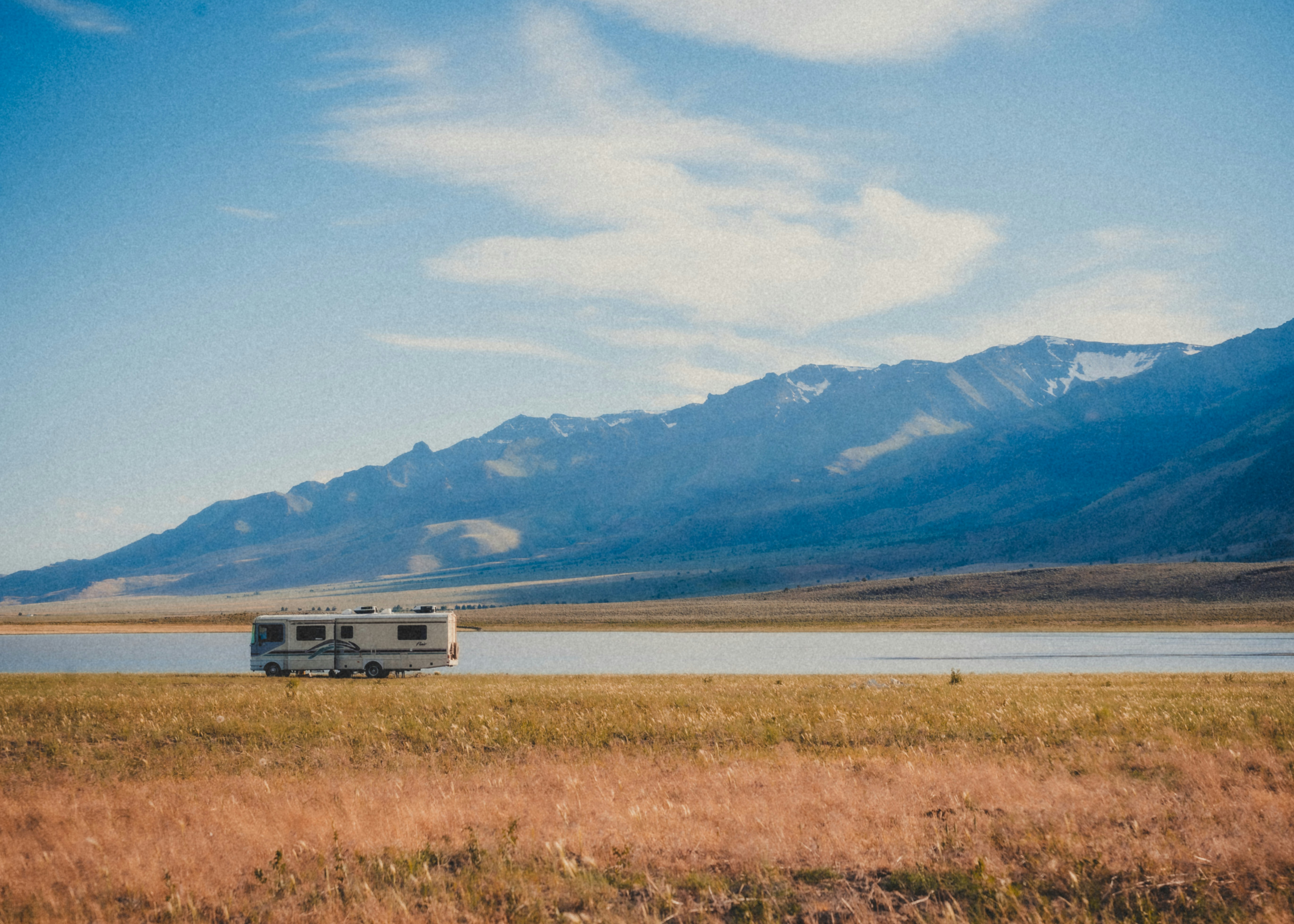
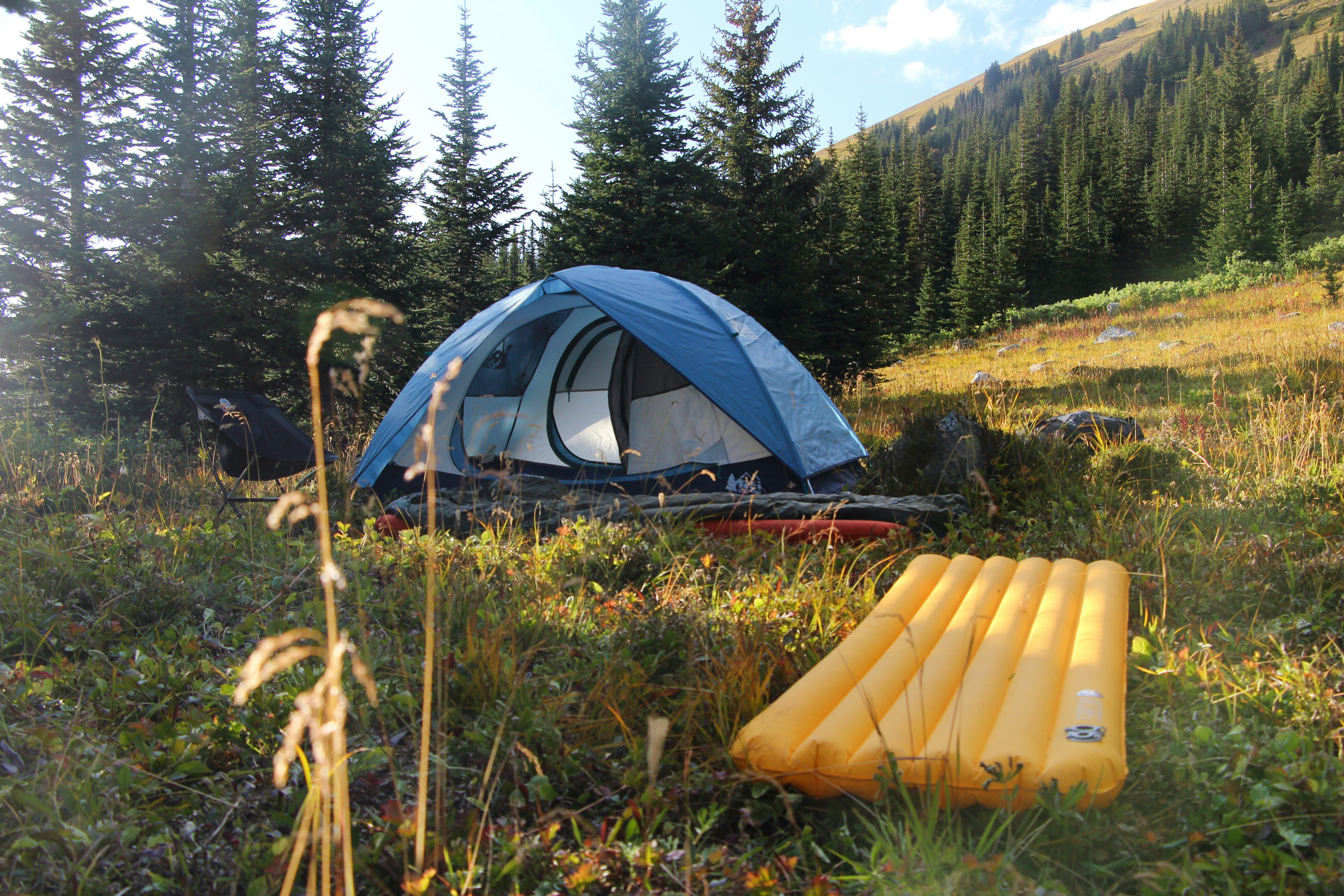
Picture yourself sitting in a camping chair with your morning coffee, watching the sunrise reflect off the water just steps from your RV. You hear the gentle lap of waves, maybe the call of a loon, and feel that perfect morning breeze coming off the lake.
This is the dream. The waterfront seasonal RV spot. The camping site that everyone wants and almost nobody gets because they fill up so incredibly fast.
If you have ever tried to book a waterfront site, you know the frustration. You call the campground in March and all the waterfront spots are already taken for the entire season. You check online and see "no availability" next to every lakeside site. You wonder if these spots even really exist or if they are just campground legends.
Here is the truth: waterfront seasonal spots absolutely exist, but getting one requires strategy, timing, and sometimes a little bit of luck. Let me show you exactly how to land one of these coveted sites.
Why Waterfront Sites Are So Hard to Get
Before we talk about how to get a waterfront seasonal RV spot, let me explain why they are so competitive. Understanding this helps you plan better.
Supply and Demand Reality
Most campgrounds have maybe 50 to 200 total seasonal sites. Of those, perhaps only 10 to 30 are actually waterfront. Sometimes even fewer.
So you have hundreds of campers competing for maybe a dozen or two waterfront sites. The math is brutal.
People Never Leave
Here is the other problem: people who get waterfront sites almost never give them up. They renew year after year after year.
I know campers who have held the same waterfront seasonal site for a decade or more. They would sooner give up coffee than give up that site.
This means very few waterfront sites actually become available each season. Maybe two or three openings across an entire campground if you are lucky.
Premium Pricing
Waterfront sites cost significantly more than regular sites. Sometimes $500 to $1,500 more per season depending on the campground and the view.
But even at premium prices, demand far exceeds supply. Price alone does not thin the crowd of people who want waterfront.
The View Is Worth It
People fight for waterfront sites because waking up to water views genuinely transforms the camping experience. It is not just about bragging rights. The actual daily experience of camping on the water is noticeably better.
When to Start Your Search
Timing is absolutely critical when trying to secure a waterfront seasonal RV spot. Start too late and you have zero chance.
The Renewal Window
Most campgrounds give current seasonal campers first right of refusal to renew their sites for the next season. This renewal period typically happens in late fall or early winter.
Let us say the camping season ends in October. The campground probably sends renewal notices in November or December. Current campers have until maybe January to commit to their sites for next season.
Only after all the renewals are processed do any sites become available to new campers or people wanting to switch sites.
When Sites Actually Open
If you are trying to get a waterfront site, you need to know exactly when the campground opens up remaining sites to new bookings.
For many campgrounds, this happens in January or February for the upcoming season that starts in May. Some places open even earlier, like December. A few wait until March.
You need to know the specific date and time that your target campground opens bookings. Then you need to be ready to act immediately when that moment arrives.
The Early Bird Reality
By "immediately," I mean within the first few hours. Waterfront sites at popular campgrounds can sell out in literally hours or even minutes when bookings open.
I am not exaggerating. People set alarms. They take time off work. They sit at their computers hitting refresh waiting for the booking system to go live.
If you wait a day or two to call or book online, every single waterfront site will already be gone.
How to Find Out When Bookings Open
Different campgrounds handle this differently, so you need to do some detective work.
Call and Ask Directly
The most straightforward approach is calling the campground office and asking specific questions:
When do you open bookings for next season? What exact date and time can I start booking? Do waterfront sites open at the same time as regular sites? Is there a waiting list I should get on? How many waterfront sites typically become available?
Take detailed notes. Get names. Confirm the information.
Check the Website
Many campgrounds post their booking timelines on their websites. Look for pages about seasonal sites or frequently asked questions.
Some places even have countdown timers showing exactly when bookings open.
Join the Mailing List
Sign up for the campground's email newsletter or mailing list. They often send announcements about when seasonal bookings open.
This can give you advance warning that the booking date is approaching.
Follow on Social Media
Campgrounds increasingly use Facebook and Instagram to announce important dates. Follow your target campground on social media and turn on notifications so you do not miss announcements.
The Waiting List Strategy
Many campgrounds maintain waiting lists specifically for waterfront sites. Getting on this list is often your best strategy.
How Waiting Lists Work
You contact the campground and ask to be added to the waterfront waiting list. They add your name along with your contact information.
When a waterfront site becomes available, they contact people on the waiting list in order. You get offered the site. If you accept, great. If you decline, they move to the next person.
Getting on the List Early
Add your name to the waiting list as soon as you know you want a waterfront site. Even if it is a year or two before you actually need it.
Your position on the list matters. Being fifth on the list is way better than being twentieth.
Staying Active on the List
Some campgrounds purge their waiting lists annually. They send out confirmation emails asking if you are still interested. If you do not respond, they remove your name.
Watch for these emails and respond immediately to keep your spot on the list.
Multiple Campgrounds
Put your name on waiting lists at several different campgrounds if you are flexible about where you camp. This increases your chances of landing something.
The Renewal Gamble
Here is a sneaky strategy that sometimes works: book a non-waterfront seasonal site with the specific plan of trying to switch to waterfront the following year.
How This Works
You book whatever seasonal site is available this year. You become a current seasonal camper. Next year during the renewal period, you request to switch to a waterfront site if one becomes available.
Current seasonal campers often get priority over brand new campers. Being inside the campground already gives you an advantage.
The Downside
This means committing to at least two seasons. One season in a regular site, then hopefully moving to waterfront year two.
You also might end up stuck in the regular site if no waterfront spots open up. But at least you are camping, and you can keep trying each year.
Building Relationships
Being a seasonal camper for a year also lets you build relationships with campground staff and other campers. Sometimes waterfront sites become available through word-of-mouth before they are officially listed.
Consider the Off-Season or Mid-Week
If you have flexibility in when you camp, alternative timing can help you secure waterfront.
Shoulder Season Sites
Some campgrounds have sites that are considered "waterfront" but are only desirable during peak season. Maybe they are too exposed and windy in spring, or too muddy in fall.
These less-desirable waterfront sites are easier to get. They still give you water access and views, just with some trade-offs.
Mid-Week Flexibility
A few campgrounds offer different pricing or availability for mid-week versus weekend camping. If you can camp Tuesday through Thursday, you might find waterfront options that weekend warriors passed on.
What to Do If Waterfront Is Fully Booked
When all the waterfront sites are taken, you still have options.
Water View vs Waterfront
Understand the difference between waterfront and water view. Waterfront means your site is directly on the water. Water view means you can see the water from your site but you are not right on it.
Water view sites cost less and are easier to get, but still give you some of that lakeside feeling.
Short Walk to Water
Some sites are not waterfront but are just a 30-second walk to the lake or beach. You do not have water right outside your door, but you have easy access.
For many campers, this is a perfectly acceptable compromise that is far easier to book.
Book Regular Site with Transfer Option
Book the best available regular site, then ask the campground if you can transfer to waterfront if something opens up mid-season.
Cancellations happen. People have emergencies. Health issues arise. Jobs relocate families. Sites occasionally open up after the season starts.
The Premium Price Reality
Waterfront seasonal RV spots cost significantly more than regular sites. You need to be realistic about whether the premium is worth it for your situation.
Typical Price Differences
A regular seasonal site might cost $2,500 for the season. The waterfront equivalent at the same campground might cost $3,500 or even $4,000.
That is a difference of $1,000 to $1,500 just for the location. Over a 20-week season, that works out to $50 to $75 extra per week.
What You Get for the Money
For that extra money, you get water views from your site, easy swimming access, better breezes, beautiful sunrises or sunsets, and the prestige of having a waterfront site.
You also typically get more privacy since waterfront sites often have water behind them instead of other campers.
Deciding If It Is Worth It
Only you can decide if the extra cost justifies the benefits. For some families, having water access makes the entire season better and is worth every penny.
For others, the extra thousand dollars could buy a lot of camping gear, activity fees, or just stay in savings. A site 100 yards from the water might be perfectly fine.
Alternative Water Access Options
If you cannot secure a waterfront seasonal RV spot, you can still have great water access through other means.
Campground Beach and Swimming Areas
Most waterfront campgrounds have designated swimming and beach areas that all campers can use. Even if your site is not waterfront, you can walk to these areas anytime.
For many families, having a nice beach area nearby is almost as good as having waterfront at your site.
Kayak and Boat Storage
Some campgrounds offer kayak storage or boat slips separate from your camping site. You can store your watercraft at the water even if your RV is elsewhere in the campground.
This gives you easy water access for paddling and fishing without needing a waterfront site.
Day Use Areas
Spend your days at waterfront picnic areas or pavilions even if your site is not on the water. Many campgrounds have beautiful day use spots right on the lake.
Your site becomes just where you sleep. You live your days by the water.
Questions to Ask About Waterfront Sites
Before committing to a waterfront seasonal RV spot, ask these important questions:
What Is the Water Actually Like?
Is it a lake, river, pond, or ocean? Is the water clean and swimmable? What is the depth like near the shore? Are there weeds or rocks?
Not all waterfront is created equal. Some waterfront sites have murky water or weed-choked shorelines that are not actually pleasant.
What Water Activities Are Allowed?
Can you swim from your site? Launch kayaks or canoes? Tie up a small boat? Fish from shore?
Understand what water activities are actually permitted before paying premium prices.
What About Noise?
Waterfront sites sometimes come with noise issues. Boats on the lake. Jet skis. Other campers congregating at the water. Kids playing and yelling.
Ask about typical noise levels and activity in the water area.
How Close Is Waterfront?
When they say waterfront, do they mean your RV is ten feet from the water or fifty feet? This makes a real difference in how waterfront the site actually feels.
Are There Safety Concerns?
If you have young children, is the water deep right at the shore? Is there a drop-off? These safety considerations matter a lot for families.
Booking Strategies That Actually Work
When that booking window finally opens, you need a solid game plan.
Be Online Early
If bookings open at 9:00 AM, be logged into the website at 8:50 AM with your account ready. Have your payment information already entered. Be ready to click the second the site goes live.
Have a Backup Choice
Your first choice waterfront site might get grabbed by someone else one second before you. Have a second and third choice ready to book immediately.
Do not waste time being disappointed. Grab the next best option fast.
Call and Click Simultaneously
If possible, have one person booking online while another calls the office. Whichever method gets through first, go with it.
Know the Site Numbers
Study the campground map ahead of time. Know the exact site numbers of waterfront sites you want. This saves precious seconds when booking opens.
Consider Regular RV Site Rentals First
If you are new to a campground, consider trying a few weekends with regular RV site rentals before committing to a seasonal waterfront site.
This lets you see the campground, experience the water access, and decide if the waterfront sites are worth the premium before locking into a season-long commitment.
The Long Game Approach
Sometimes securing a waterfront seasonal RV spot requires patience and a multi-year strategy.
Year one: Get on the waiting list and book whatever regular seasonal site is available. Year two: Request a transfer to waterfront during renewal period. Year three: If no waterfront opened up, stay patient and keep trying. Year four: Finally land that waterfront site and never let it go.
Many current waterfront campers spent years working their way into those coveted spots. It is a marathon, not a sprint.
Making the Most of Non-Waterfront Sites
While you are working toward waterfront, make the most of whatever site you have. Many non-waterfront seasonal RV sites are absolutely wonderful in their own ways.
Wooded sites offer privacy. Sites near amenities offer convenience. Corner sites offer extra space. Every site has advantages if you look for them.
Your Path to Waterfront Camping
Securing a waterfront seasonal RV spot takes planning, timing, persistence, and sometimes a little luck. But it is absolutely possible if you follow the strategies in this guide.
Start early. Get on waiting lists. Know exactly when bookings open. Be ready to act immediately. Consider alternative strategies. Stay patient if it takes multiple attempts.
The reward for all this effort is a summer season spent with water views, easy swimming access, and the knowledge that you landed one of the most sought-after camping sites available.
At Willowemoc Campgrounds in Livingston Manor, NY, we offer beautiful waterfront seasonal sites along the Willowemoc Creek. We are located at 30 Willowemoc Rd and we understand how special these sites are to campers.
Ready to start your journey toward a waterfront seasonal RV spot? Contact us today to learn about our waterfront site availability, waiting list process, and booking timeline. We will help you understand the options and plan your strategy for securing one of these special sites. Your dream waterfront camping season is closer than you think!