Bring your dog to the Catskills and have the time of your life. Here is everything you need to know before you go camping with your furry best friend.
.jpg)
You have been dreaming about a camping trip to the Catskills. The fresh mountain air, the sound of the creek running just outside your tent, the smell of coffee brewing over a fire. And then your dog looks up at you with those eyes — you know the ones — and you think, "There is no way I am leaving you behind."
Good news: you do not have to.
The Catskills is one of the most dog-friendly outdoor destinations in New York. Between the trails, the swimming holes, and the wide open spaces, your dog is going to think this trip was planned specifically for them. (Honestly, maybe it was.) Here is everything you need to know to make your Catskills camping trip work for both you and your four-legged co-pilot.
Why the Catskills Is Perfect for Dogs
The Catskills region in Sullivan County sits in a sweet spot — wild enough to feel like a real adventure, but accessible enough that you are not hauling gear through serious backcountry terrain. That means your dog gets the best of both worlds: real nature, real smells, real mud, without you having to carry them out on your back if they get tired halfway up a ridge.
The area is full of dog-friendly trails, open fields, and waterways where your dog can run, sniff, splash, and do all the things dogs were put on this earth to do. And because the Catskills is a working outdoor community — not a theme park — you will find that people here genuinely love dogs. You are not going to feel like you showed up somewhere your dog was tolerated. You are going to feel welcome.
Pick the Right Campsite from the Start
This is the step most people skip, and it is the one that makes or breaks the whole trip. Not every campground in the Catskills is built the same way, and your dog's experience will depend a lot on where you set up camp.
At Willowemoc Campgrounds in Livingston Manor, NY, the setting itself does half the work for you. The campground sits along the Willowemoc Creek, which means your dog has a natural swimming and wading spot right on the property. There is room to move, there is shade, and there is the kind of open, natural space that makes a dog feel like they have won the lottery.
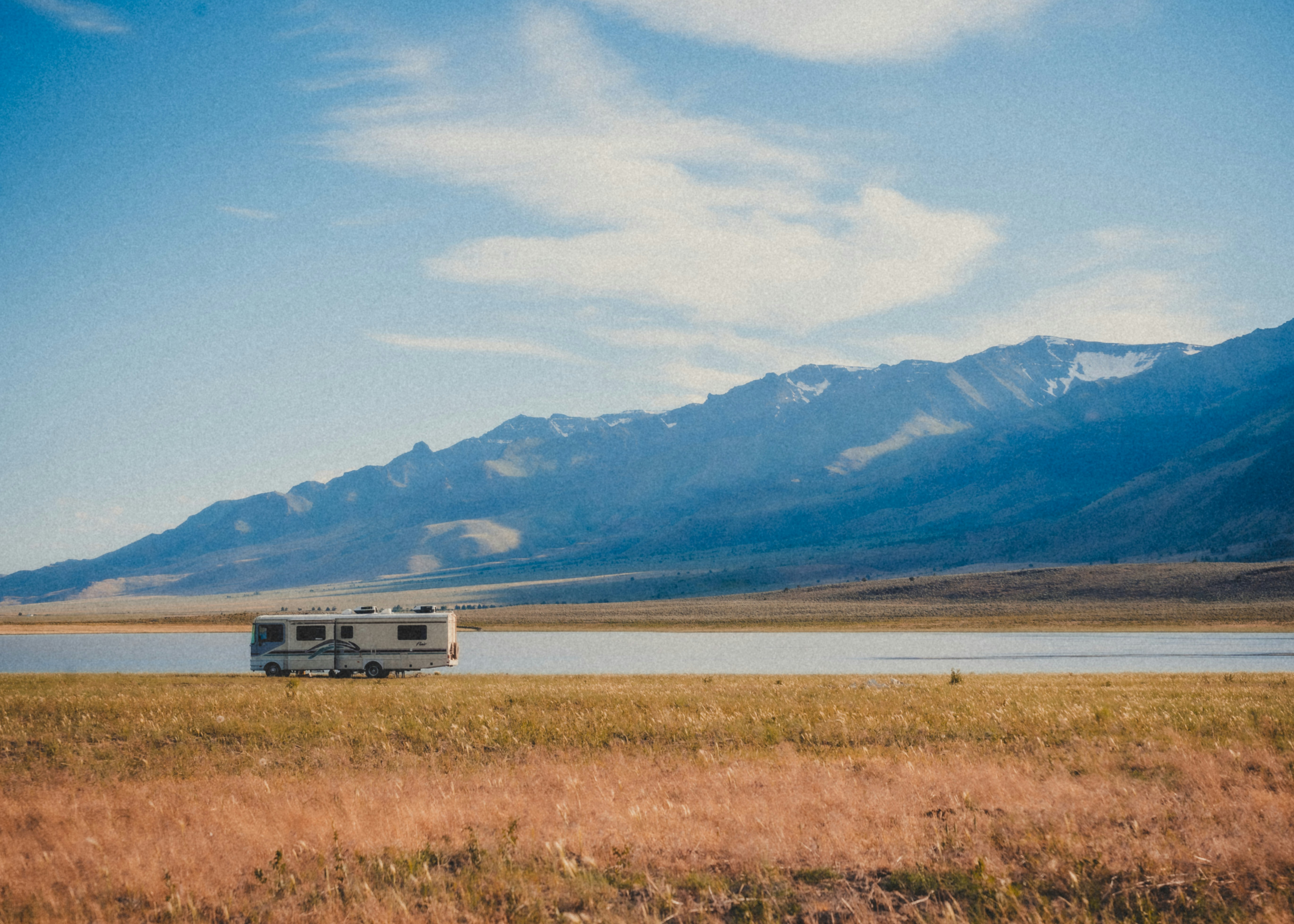
If you are bringing an RV, the RV site rental options give you a comfortable home base with enough space to set up a little outdoor area for your dog. Think of it as a hotel room where your dog is also allowed on the bed — except the bed is the whole outdoors.
For those who come back every summer, the seasonal RV sites are worth looking into. When your dog already knows the campground — the smells, the other campers, the favorite swimming spot — they settle in faster. By week two of a seasonal stay, your dog will be acting like they own the place. And honestly? Maybe they do.
What to Pack for Your Dog
Packing for a dog is a little like packing for a toddler who cannot tell you what they need. You have to think ahead. Here is what to bring:
- Food and water — Bring more than you think you need. Dogs get more active outdoors and they drink more. A collapsible water bowl is your best friend here.
- Leash and collar with ID tags — Even if your dog has never run off in their life, the Catskills has a lot of interesting smells. Do not find out the hard way.
- Dog first aid kit — Paw balm, bandages, tweezers for ticks, and any medications your dog takes. Tick prevention is not optional in this region.
- Their own sleeping spot — A familiar bed or blanket from home helps dogs feel grounded in a new environment. The smell of home is calming.
- Poop bags — a lot of them — You already knew this. Bring twice as many as you think you need. This is one of those "better to have it and not need it" situations that you will be very grateful for.
- A long lead or tie-out stake — For giving your dog more freedom around the campsite without letting them wander into someone else's weekend.
Trail Tips for Camping with Dogs in the Catskills
The Catskills has hundreds of miles of trails, and many of them are open to leashed dogs. That said, hiking with a dog requires a slightly different mindset than hiking solo.
Start with shorter trails. Even if your dog seems full of energy at the trailhead, heat, rocky terrain, and uneven footing can tire them out faster than flat ground. A three-mile hike in the Catskills is not the same as three miles on a flat park path. Start short and build up.
Watch their paws. Rocky trails can be tough on paw pads, especially early in the season when your dog's feet have not toughened up yet. Take breaks in the shade and check their paws regularly for cuts or embedded debris.
Bring water for the trail. Do not count on creek water being safe for your dog to drink. Carry enough for both of you and offer it every 20 to 30 minutes on the trail.
Know the signs of overheating. Excessive panting, drooling, slowed pace, or your dog simply lying down and refusing to move — these are all signs that your dog needs water, shade, and a break immediately. The Catskills in summer can get warm, especially on exposed ridges. Your dog cannot tell you when they are struggling, so you have to watch for it.
Stick to leash rules. Most trails in the area require dogs to be on a leash. This protects wildlife, other hikers, and honestly your dog too. A dog who spots a deer and takes off is a dog who might end up very far from camp.
Making Camp Comfortable for Your Dog
Once you are back at the campsite after a day of hiking or creek time, the goal is to keep your dog comfortable and safe.
Set up a shaded rest area. If your dog has been running around all day, they need a cool spot to recover. A tarp or shade structure near your tent or RV gives them a place to rest without baking in the afternoon sun.
Bring a crate or playpen if your dog uses one. Being in a new place at night can make some dogs anxious. A familiar crate with their blanket and a worn shirt that smells like you can help them settle down faster when it is time to sleep.
Keep food stored securely. Dog food left out overnight is an open invitation for wildlife. Store it the same way you store your own food — in a sealed container, inside your vehicle or RV.
Be a good campground neighbor. If your dog barks at every sound, bring something to keep them occupied and tired. A dog who has had a full day of activity is a dog who sleeps through the night. That is good for your dog, good for you, and good for the people in the campsite next to you who were really hoping for a quiet evening.
Dog-Friendly Things to Do Near Livingston Manor
The town of Livingston Manor itself is surprisingly walkable and dog-friendly. A stroll through downtown gives your dog a change of scenery and new smells without the exertion of a full trail day.
The Willowemoc Creek, which runs right through the area, is a natural playground for water-loving dogs. If your dog is the type to wade up to their chest and just stand there looking pleased with themselves, this is their moment.
Fishing is a big deal in this part of the Catskills, and dogs generally love watching humans do things that make no sense to them. Set up along the creek bank with your rod and your dog, and just let the afternoon happen.
On rest days, a long off-leash walk around open areas near the campground — if the rules allow it — gives your dog a chance to decompress and move at their own pace without you dictating the direction. Sometimes the best thing for a dog is just to wander.
A Few Things to Know Before You Go
Check the campground's pet policy before booking. Most pet-friendly campgrounds have rules about leash requirements, the number of pets allowed per site, and whether certain breeds have restrictions. Read the fine print so you are not surprised when you arrive.
Make sure your dog is up to date on vaccinations. Campgrounds often require proof of rabies vaccination. Beyond the paperwork, outdoor environments bring your dog into contact with wildlife and other dogs, so being current on vaccines is just smart.
Microchip your dog if you have not already. A collar and tags are great. A microchip is backup insurance. If your dog ever gets separated from you in an unfamiliar area, a microchip is what gets them back to you.
Talk to your vet before the trip if your dog has health issues. Older dogs, dogs with joint problems, and dogs who are not used to exercise all need a different approach than a young healthy dog who runs five miles a day. Your vet can help you figure out what your dog can handle and what to watch for.
Your Dog Will Remember This Trip
There is something about watching your dog experience the Catskills for the first time — the nose going a mile a minute, the body wiggling because there is just too much good stuff happening to stay still — that makes you remember why you went camping in the first place.
It is not about the perfect gear or the perfect weather. It is about being somewhere real, with the people and the animals you love, doing something that feels like an actual break from regular life.
The Catskills gives you that. And your dog, without question, is going to agree.
Ready to plan your dog-friendly camping trip? Visit Willowemoc Campgrounds at 30 Willowemoc Rd, Livingston Manor, NY 12758 to check availability and find the right site for you and your dog. Whether you are looking at an RV site rental for a weekend getaway or thinking about a seasonal RV site for the whole summer, there is a spot here with your dog's name on it.